What is a Pulsed Dye Laser?
The pulsed dye laser uses a concentrated beam of a specific wavelength of light that targets blood vessels in the skin without the need for needles or surgery. The blood vessels absorb this wavelength, causing them to heat up and destroying them while leaving surround tissue undamaged. Pulsed dye laser treatments deliver dramatic results with less discomfort and a shorter recovery time than other treatments for skin redness, making it a popular treatment option.
Dr. Baird was very prompt, professional and understanding. I love this office and will continue to use them. The staff was nice and professional.”
Who is a Good Candidate?
Patients living with the following dermatologic skin conditions in various locations throughout the body can often benefit from pulsed dye laser treatments:
- Rosacea
- Port wine stains
- Facial veins
- Red scars
- Hemangiomas
- Red stretchmarks
During your consultation with board-certified dermatologist Dr. David Baird, it is important to mention any skin disorders, medications, history of scarring and skin trauma, and if you are pregnant or breastfeeding, as these factors could affect the outcome of your services.
On Our Blog:
How Does Pulsed Dye Laser Treatment Work?
Pulsed Dye Laser for Improved Facial Pigmentation
Laser Skin Rejuvenation: What You Need To Know
How to Prevent Skin Redness
While pulsed dye laser treatment is one of the most effective ways to treat persistent skin redness, certain daily habits can help minimize flare-ups and support long-term results. Limiting sun exposure is especially important, as UV rays can dilate blood vessels and worsen facial redness and other vascular skin conditions.
Patients should also avoid common triggers that increase blood flow to the skin, such as extreme heat, spicy foods, alcohol, and intense exercise. For individuals with skin disorders like rosacea or other cutaneous vascular lesions, working with a board-certified dermatologist ensures a comprehensive approach that may include laser treatment alongside conventional therapy when appropriate.
Pulsed Dye Laser Therapy Treatment Areas
Face
The face is one of the most common areas treated with pulsed-dye laser therapy for rosacea-related facial redness, facial veins, red scars, and vascular malformations. The pulsed dye laser targets blood vessels beneath the skin with a concentrated beam of yellow light while protecting the surrounding skin.
Neck
Skin redness on the neck often responds well to pulsed dye laser treatment, especially when caused by dilated blood vessels or sun damage. Because the neck skin is thinner and more delicate, Dr. Baird carefully adjusts laser parameters to maximize clinical effect while minimizing adverse effects.
Chest
Redness on the chest is commonly related to sun exposure and vascular skin conditions. Pulsed dye laser PDL treatments can safely treat this area by targeting blood vessels without damaging surrounding tissue.
Legs
The pulsed dye laser can also be used on the legs to treat vascular lesions such as visible red veins, hemangiomas, and certain hypertrophic scars. Dye laser treatment on the legs may require multiple sessions, but many patients experience a noticeable reduction in skin redness.
Before Your PDL Treatment
Before your pulsed dye laser treatment, you will meet with board-certified dermatologist Dr. David Baird for a personalized consultation. During this visit, it is important to discuss any skin conditions, medications, history of scarring, or recent sun exposure. Patients should avoid tanning and excessive sun exposure before treatment, as tanned skin can interfere with the laser’s targeting of blood vessels.
On the day of your procedure, arrive with clean skin free of makeup, lotions, or skincare products. Although no anesthesia is required, a topical anesthetic may be applied to enhance comfort.
How is PDL Treatment Performed?
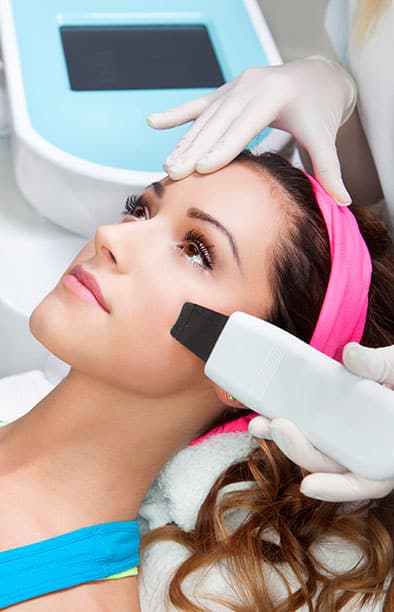
Pulsed dye laser treatments are performed as an outpatient visit. No anesthesia is required, although Dr. Baird offers a topical anesthetic for patients worried about discomfort from the procedure. The pulsed dye laser will emit a strong burst of light into the targeted area which is absorbed by blood vessels or pigmentation. Most patients describe the treatment as having a small rubber band snapped on the skin in the area that the laser is focused. A cooling mist will be delivered while the pulsed light is emitted to ensure your comfort.
Most patients will require a series of treatments to achieve their desired outcome. A consultation with Dr. Baird can help to determine the number of treatments needed for your individual case.
Recovery From PDL Treatment
There are very few side effects associated with pulsed dye lasers and no downtime required following a PDL appointment. Some patients may experience mild bruising, which will resolve quickly. Applying a moisturizer such as Vaseline 2-3 times a day can help to protect the skin during healing. Makeup can be worn two days after treatment. It is advised that patients wear sun protection when outside to diminish the chance of sun damage and pigmentation.
PDL Services in East Michigan
Patients in the Farmington Hills area who are unhappy with the appearance of red, blotchy skin can benefit from pulsed dye laser treatments. Call us or contact us online today to start your journey towards clearer skin!