Understanding Redness and Rosacea in Colder Months
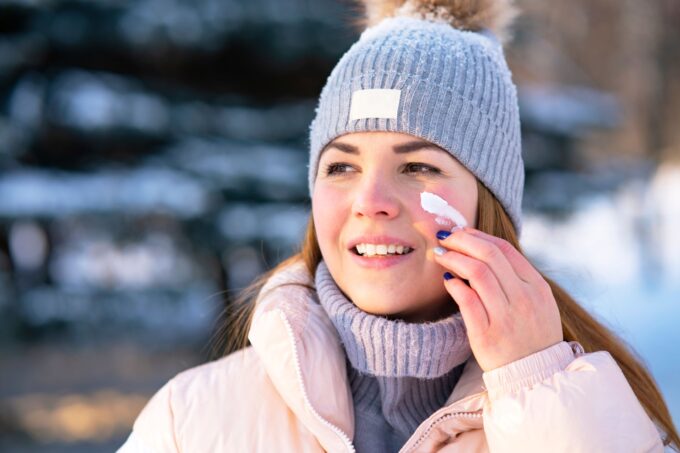
As winter settles into Michigan, many people begin to notice that their skin reacts differently to the colder air. Patients in Farmington Hills often describe increased redness, heightened sensitivity, and more frequent rosacea flare-ups during this time of year. The shift from cool outdoor temperatures to warm indoor heat places added stress on the skin, which can make redness more visible and discomfort more noticeable. Understanding why this happens is the first step in managing symptoms and feeling more confident throughout the season.
Why winter tends to worsen redness
Cold air naturally contains less moisture, which leads to increased dryness. When the skin becomes dry, it is more likely to appear red and irritated. Rapid temperature changes also play a major role. Walking from freezing outdoor air into a heated car or home causes the blood vessels in the skin to expand quickly. This sudden change can create flushing that feels difficult to calm. These issues are very common and are among the top reasons patients seek support during the colder months.
How rosacea responds to seasonal changes
Rosacea is a long-term condition that often becomes more reactive during winter. Many patients notice that their cheeks, chin, or nose flush more easily or stay red for longer. Simple daily activities such as drinking a hot beverage or standing near a heat source can trigger a flare-up. While rosacea cannot be permanently cured, it can be managed with the right combination of skincare habits and professional treatments. You can learn more about the treatment options we offer on our page for rosacea treatments.
What you can do to support your skin in cold weather
Small changes often make a meaningful difference in how your skin feels. Switching to a hydrating cleanser and richer moisturizer can help protect your skin barrier. A humidifier can keep indoor air from becoming overly dry. Covering your face on windy days can prevent irritation before it starts. Choosing gentle products and avoiding extremely hot showers can further support calmer skin.
After taking these steps, many patients see their skin become more comfortable and resilient. If symptoms persist or begin to interfere with daily life, it may be time to consult with a board-certified dermatologist. Our team is led by a trusted and experienced physician. If you would like to learn more, visit our page about Dr. Baird and his practice.
Here are a few lifestyle habits that can offer extra support during winter.
• Drinking adequate water throughout the day can help maintain internal hydration.
• Reducing alcohol and spicy foods may decrease flushing for some individuals.
• Keeping track of triggers in a journal can help identify patterns and improve long-term management.
Setting realistic expectations for rosacea care
Rosacea management is a gradual process. Improvements often occur over time rather than overnight. With personalized guidance and consistent care, most patients experience clearer-looking skin and fewer flare-ups. Our goal at Farmington Dermatology is to support you with realistic expectations and treatments that protect the health of your skin.
If redness or rosacea has become more noticeable this season, we are here to help. Our dermatology team in Farmington Hills provides warm and reassuring care focused on long-term skin health. Schedule your consultation today through our online contact form and take the first step toward calmer, healthier-looking skin.