6 Steps To Heal A Stubborn Pimple
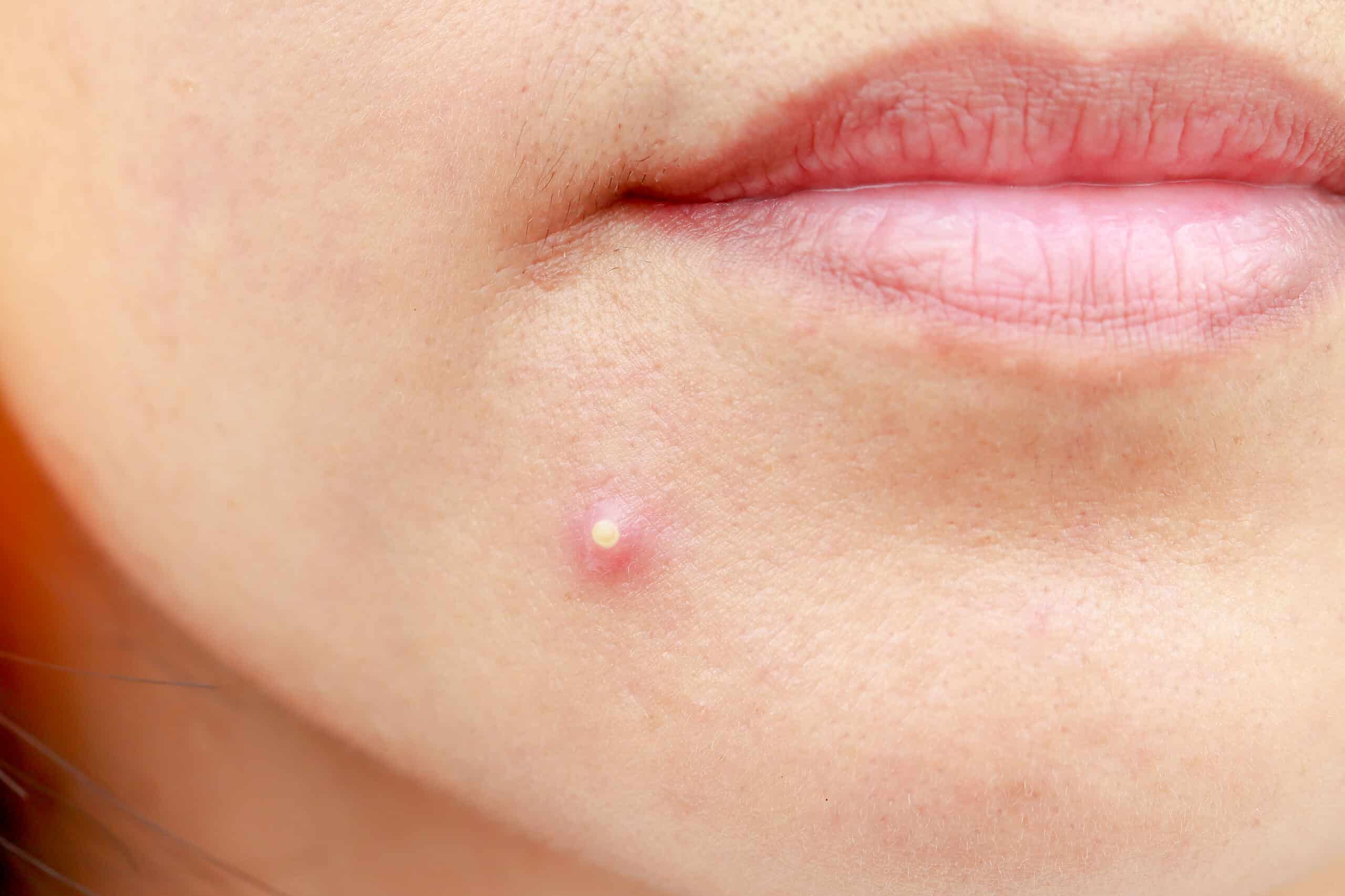
It can be annoying and unpleasant when pimples appear. Especially when it seems they always show up at the worst possible times. Knowing how to get rid of pimples quickly and effectively can be crucial if you have acne-prone skin and frequently break out. The best way to treat a pimple is to stop it from developing in the first place but since that’s not always possible, let’s take a look at a few ways to heal a stubborn pimple once it’s shown up on your skin.
1. Choose your acne medication wisely
Products for treating acne and pimples come in many different forms, but not all of them are as effective as possible and some can even be dangerous to your skin. Homemade treatments you find online are often called “natural” remedies, but just because something is natural does not mean it’s right for the skin. It could actually harm your skin.
When looking for acne medication, look for products that contain 2% benzoyl peroxide. It can kill the bacteria that leads to acne and get rid of any extra oil that may be clogging your pores. But you’ll want to be careful with this as well. Only apply a thin layer so it doesn’t further irritate your skin.
2. Gently cleanse your skin
No matter what type of treatment you’re using, you’ll want to gently cleanse your skin before using it. Look for mild, fragrance-free cleansers, and don’t scrub too hard when washing your skin. The key is to not irritate the pimple.
And with that in mind, when using the cleanser, only use it twice a day at the most. Over-cleansing can also irritate the skin and cause the pimple to stick around longer than you want.
3. Use ice and a warm compress
Applying ice to a stubborn pimple can reduce pain and swelling. Wrap an ice cube in a paper or cloth towel and apply it to the affected area for 5-10 minutes. Do this three times with 10-minute intervals in between applications.
If you have a whitehead, try applying a warm compress to the area. You can soak a washcloth in warm water and then apply it to the pimple for 10-15 minutes. Do this three to four times a day until the pimple releases its pus and begins to heal.
4. Do not squeeze or pick your pimple
This is one of the most important points on this list but often the hardest to resist. Try not to squeeze, pick, or pop a pimple. It can make your acne more noticeable and increases the risk of infection and scarring. It may be fun to watch people pop pimples on social media, but you shouldn’t do it to your own skin.
5. Avoid toothpaste
This may seem like an odd suggestion, but if your pimple is near your mouth, there is a chance that toothpaste could come in contact with it. Try to avoid this if possible. The toothpaste can further clog your pores and irritate the skin.
Additionally, lots of brands include menthol, alcohol, and baking soda in their toothpaste formulations and while those ingredients may be good for the teeth and your breath, they are not good for your skin.
6. Visit a board-certified dermatologist
Whether you’re looking to treat an already-existing pimple or want to prevent further breakouts, seeing a dermatologist is a great idea. They can prescribe medication like cortisone, retinol, and antibiotics, provide more tips on how to treat breakouts when they occur, and give you specific ways to prevent acne and other skin issues based on your medical history and skin type. Dr. Baird at BairdMD can help you with any breakouts you may be struggling with.
Schedule A Consultation
Whether you have a pimple that won’t go away or are worried about a different issue with your skin, the experienced staff at BairdMD is more than happy to help. To schedule a consultation with Dr. Baird today, call us at our Farmington, MI office at (248) 671-6450 or request an appointment using our online form.
It can be annoying and unpleasant when pimples appear. Especially when it seems they always show up at the worst possible times. Knowing how to get rid of pimples quickly and effectively can be crucial if you have acne-prone skin and frequently break out. The best way to treat a pimple is to stop it
7 Signs Of Skin Cancer You Might Be Missing
Unfortunately, many individuals may not be aware of the signs and symptoms of skin cancer which can leave them vulnerable to developing more advanced stages of the disease.
Luckily, there are several signs of skin cancer that you can watch out for. Knowing the warning signs can help you take action early and improve your chances of an effective treatment. Let’s take a look at some of the more common warning signs of skin cancer that you may not be aware of.
1. Changes in the Appearance of a Mole
A mole is an expansion of skin pigment cells found either below or on the skin’s surface. While moles are usually harmless, any shape, size, color, or texture changes may indicate skin cancer.
If a mole begins to grow, change color, bleed, become raised, or become itchy or painful, it is important to get it checked out right away by a medical professional. Changes in a mole can also include:
- A halo of lighter skin around the mole.
- Loss of symmetry.
- Difference in the mole’s border from smooth to jagged or irregular.
If you notice any of these changes, make an appointment with your doctor as soon as possible.
2. Skin Changes after a Mole Has Been Removed
You may assume that after a mole is removed that the risk is gone. Unfortunately, that’s not the case. The cancer cells can go deep into the skin. After a mole is removed, if the skin on or around the area changes or an unusual spot forms, that can also be a sign of skin cancer that’s still there. Make sure to let your healthcare provider know so they can look further into the issue.
3. Itchiness & Oozing
Itchiness and oozing are common signs of skin cancer. If you notice that a mole or area of skin is constantly itchy or the area is oozing a clear liquid or blood, these symptoms should be evaluated by a medical professional to rule out skin cancer or other potential underlying causes. Book an appointment with your doctor to get a proper diagnosis.
4. Scaly Patches
Scaly patches are another sign of skin cancer that is often overlooked. You may also see scaly patches that are covered with small lesions. The lesions can range in size but typically cover more than 10 percent of the affected area. They can be pink, red, or brown and may also itch or hurt.
Scaly patches may also occur on the scalp or underarm area. If you notice this sign of skin cancer, you should immediately seek medical attention.
5. Vision Problems
While vision problems are not a direct symptom of skin cancer, they can be related to skin cancer. Sometimes, skin cancer can spread to the eyes and cause vision changes. If you experience any changes in vision, such as blurred vision, double vision, or blind spots, it is important to get it checked out by a doctor. While these changes are not always caused by skin cancer, it is important to rule out skin cancer and discover what the exact cause is.
6. Changes in Your Fingernails or Toenails
Changes in your fingernails or toenails can also indicate skin cancer. Some signs to look out for include discoloration, ridges, changes in texture, and changes in the shape of the nail. This can be caused by the growth of non-cancerous or cancerous cells in the nail bed. You’ll want to schedule an appointment with your doctor if you notice any distinct changes to your nails.
7. A Sore or Spot That Won’t Go Away
Skin cancer can also produce a sore that won’t heal or a spot that won’t go away. It may look similar to a pimple. But unlike a pimple, this sore will not go away.
The affected area may begin to grow quickly, leaving painful lumps or raised red spots. The area may also feel irritated and hot to the touch. If left untreated, the sore or spot can become infected, leading to skin cancer growth.
Schedule a Consultation
If you have any of these signs or symptoms and would like to have your skin checked for cancer, schedule a consultation with Dr. David A. Baird at Baird MD. To book an appointment, please call our Farmington, MI office at (248) 213-8575 or request an appointment on our website.
Unfortunately, many individuals may not be aware of the signs and symptoms of skin cancer which can leave them vulnerable to developing more advanced stages of the disease. Luckily, there are several signs of skin cancer that you can watch out for. Knowing the warning signs can help you take action early and improve your

What To Know About Wart Removal
Warts are a common skin condition that affects many people. They are caused by a viral infection and can appear anywhere on the body part, although they are most commonly found on the hands and feet. If you’re looking for safe and effective wart removal, look no further than Dr. David A. Baird, MD.
As a board-certified dermatologist, Dr. Baird has extensive experience diagnosing and treating many skin conditions, including warts. He is highly trained and equipped to provide the most up-to-date and effective wart removal treatments.
What Causes Warts?
Warts are small, raised, rough skin growths caused by a virus. They are contagious and can be spread from person to person or from one part of the body to another. Warts are commonly found on the hands, feet, and face, but they can also appear on other body parts.
The Different Types of Warts
There are several known types of warts, including:
- Common warts: These are the most common type of warts and typically appear on the fingers, hands, and feet.
- Plantar warts: These warts develop on the soles of the feet and can be painful when pressure is applied.
- Flat warts: These are small, smooth, and flat warts that commonly appear in large numbers on the face, legs, and arms.
- Filiform warts: These are long, narrow warts that commonly appear on the face, particularly around the eyes and mouth.
The Most Effective Wart Removal Treatments
Not all warts can be treated with the same methods, and the best treatment for you will depend on the type of wart you have and the location of the wart. Dr. Baird can provide personalized recommendations for the best wart removal treatment. There are several effective wart removal treatments available, including:
Cryotherapy
Cryotherapy is the most common wart removal treatment and involves freezing the wart with liquid nitrogen. There are over-the-counter wart treatments with liquid nitrogen, but having this procedure done by a dermatologst ensures safety and an effective treatment. This may not be the best choice of treatment for patients with dark skin tones since it can leave dark marks.
Cantharidin
Cantharidin is a blistering agent applied to the wart and covered with a bandage. After one week, you will return to your dermatologist to have the dead wart snipped off.
Currettage
Surgical removal or excision involves cutting the wart off using a surgical scalpel. This may be combined with electrosurgery to burn the wart off.
Laser Therapy
If a wart has not responded to other treatments, laser therapy can be considered. Laser therapy involves using a laser to completely destroy the virus that causes a recurring wart.
Preventing Warts from Coming Back
After your wart has been removed, it is essential to take steps to prevent warts from coming back. Here are some tips to help you prevent warts from returning:
- Wash your hands frequently
- Avoid touching your face, especially around the mouth, eyes, and nose.
- Keep your skin moisturized and avoid rough or dry skin.
- Avoid walking barefoot in public places like swimming pools and locker rooms.
- Don’t share personal items like towels, razors, etc.
- Always keep your feet dry, and change your socks and shoes frequently.
Schedule an Appointment for Wart Removal
For safe and effective wart removal, it is best to schedule a consultation with Dr. David A. Baird in Farmington, Michigan. As a board-certified dermatologist, Dr. Baird has extensive experience in diagnosing as well as treating a wide range of skin conditions, including warts.
Warts are a common skin condition that affects many people. They are caused by a viral infection and can appear anywhere on the body part, although they are most commonly found on the hands and feet. If you’re looking for safe and effective wart removal, look no further than Dr. David A. Baird, MD. As
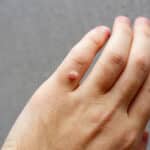
6 Tips for Treating Eczema This Winter
Winter weather can be harsh on your skin, and if you have eczema, winter can be an especially hard time of the year. Eczema is a common reaction to dry air and cold temperatures, which means winter can worsen your symptoms. The good news is that many treatment options are available to relieve the symptoms of eczema this winter so that you can still spend time outside with your family or friends. Here’s what to know about eczema and how Dr. David Baird can help.
1. Use a Humidifier
A humidifier will help create moisture in the air, which will reduce dryness in your home and thus help ease the symptoms of eczema. If you have a central heating system, it can cause the water in your skin to evaporate faster than normal and make your symptoms worse. Moisture prevents the skin from being dry and itchy, which will cause the skin to crack and scab over. Make sure to use distilled water for your humidifier because tap water has minerals that can harm your skin.
2. Use an Oil-Based Moisturizer
Moisturizing your skin with oil-based products daily can make all the difference. Oil helps keep the skin soft and supple, and it helps prevent your skin from cracking and scabbing as much. It does this by keeping the skin’s barrier moisturized so that it’s less likely to dry out. Look for products that contain coconut oil, for example, but keep pure coconut oil away from your face since it can clog pores.
3. Wear Clothes in Layers
Colder temperatures make your skin more sensitive to the elements, so make sure to be extra careful with your clothing. Wear warm clothes, but not those that are too thick or bulky. Wearing layers of clothing allows you to stay warmer without being too hot. You also want to avoid tight fabrics because they can leave your skin feeling tight and uncomfortable.
4. Try a Fungal Remedy
Eczema patients may be able to use certain types of medications and over-the-counter treatments to help relieve symptoms. A simple anti-fungal cream can be applied to the affected area to help relieve itching, burning, and stinging. Ingredients that are commonly found in anti-fungal creams include clotrimazole or miconazole. Make sure to consult your dermatologist for a recommendation.
5. Keep Your Hands Moisturized
Winter weather can dry out your hands, which causes cracking and more severe skin symptoms. Washing your hands is especially important during the winter months in order to prevent illness, so try to moisturize your hands every time you wash them. You can even look for moisturizers that are specific to eczema and contain vitamin E, humectants, and shea butter, for example.
6. Wear Gloves When Outside
Wearing gloves outside can prevent your skin from being exposed to cold, dry weather. Cold temperatures can dry out your hands and make them more susceptible to becoming rough and cracked. Wearing gloves that fit snugly will keep your hands warm and protect them from drying out.
Schedule an Appointment
The best way to treat your eczema during the winter months is by consulting a board-certified dermatologist. To meet with our team, contact Farmington Dermatology by calling or filling out our online contact form.
Winter weather can be harsh on your skin, and if you have eczema, winter can be an especially hard time of the year. Eczema is a common reaction to dry air and cold temperatures, which means winter can worsen your symptoms. The good news is that many treatment options are available to relieve the symptoms

Give the Gift of Dermatology This Holiday Season
Dermatology is a medical specialty that deals with skin, hair, and nail disorders. With so many different dermatological conditions, it becomes difficult for patients to identify their specific problems. The most common dermatological conditions are acne, rosacea, eczema, and rosacea. These conditions are cleared up quickly with proper treatment from a board-certified dermatologist. Here are some ways you can elevate your shopping list this holiday season for yourself and your loved ones.
Laser Hair Reduction
Laser hair reduction is a permanent method of removing unwanted hair. A laser targets the pigment in hair shafts and travels to the follicles and generates heat – this eventually makes hair unable to regrow. Laser treatments work best on people with light skin and dark hair, but there are a variety of technologies available for laser hair removal. With a complete package of treatments, laser hair removal can produce permanent results.
Professional-Grade Skincare Products
Professional-grade skincare products are a great way to elevate your at-home skincare regimen. With a personalized regimen, you can address many different skin concerns and support the results of your in-office treatments. We offer a variety of skincare systems and lines to help you take the next step in taking care of your skin.
Injectable Fillers
Injectable fillers are used to help smooth out fine lines and wrinkles. Some common injectables for the face include Juvederm, Restylane, Perlane, and Radiesse. Injectable fillers are also a great way to augment your natural features and achieve a more flattering, balanced look. Fillers can last for 6-12 months, making them a great investment in yourself and the new year.
Botox
Botox is the most common cosmetic treatment performed each year by dermatologists. Botox is known for its ability to temporarily smooth the appearance of frown lines, forehead lines, and crow’s feet. It is injected directly into the muscles of the face, temporarily blocking nerve signals and preventing movement. It can last 3-4 months and prevent or reverse aging signs for a more rejuvenated look.
Chemical Peels
The chemical peel is one of dermatology’s most popular and affordable cosmetic procedures. A chemical peel improves skin texture, wrinkles, tone, and pigmentation by removing dead or damaged skin cells using a concentrated acid solution. The skin then peels, revealing healthy new skin cells underneath and stimulating the production of new collagen. Chemical peels can be customized to your unique skincare needs.
Schedule a Consultation
There are a variety of ways you can gift greater confidence to yourself or loved ones this holiday season. To schedule a consultation or learn more about our selection or products and services, give us a call or fill out our online contact form.
Dermatology is a medical specialty that deals with skin, hair, and nail disorders. With so many different dermatological conditions, it becomes difficult for patients to identify their specific problems. The most common dermatological conditions are acne, rosacea, eczema, and rosacea. These conditions are cleared up quickly with proper treatment from a board-certified dermatologist. Here are

Laser Skin Rejuvenation: What You Need To Know
Laser skin rejuvenation can improve your skin in many different ways. If you’re new to laser treatments, it can seem confusing to determine which option is best for your goals. Here’s a quick guide to laser skin rejuvenation and how Dr. Baird can help.
What is Laser Skin Rejuvenation?
Laser skin rejuvenation is a cosmetic procedure that utilizes laser technology to improve the appearance of your skin. It works by stimulating new collagen production in the skin through laser light energy. By stimulating new collagen, the skin has better support. This, in turn, reduces the appearance of fine lines and wrinkles. Boosted collagen production can also have a variety of other benefits like a more radiant look, better skin quality, and a reduction in pigmentation.
Who’s a Good Candidate for Laser Skin Rejuvenation?
Laser skin rejuvenation is best for patients who have mild to moderate signs of aging, pigmentation, or dullness. There’s no “best” time to get laser skin rejuvenation since everyone ages at different rates. That’s why it’s important to consult a board-certified dermatologist about your anti-aging options.
Is Laser Skin Rejuvenation Painful?
Laser skin rejuvenation can cause discomfort, but this will depend on the type of laser used and your individual pain tolerance. Some people report warmth or a “snapping” sensation during the procedure, while others only feel slight discomfort. Your dermatologist can supply a topical numbing cream if pain is a concern.
What Lasers are Best for Laser Skin Rejuvenation?
Different lasers can be used for skin rejuvenation. Dr. Baird prefers the Intense Pulsed Light (IPL) technology for its reduced downtime and gentle treatment mechanism. Pulsed Dye Lasers (PDL) can also be used for certain types of pigmentation. Our team will help you customize a treatment package for your specific goals.
Do I Need Multiple Treatments?
Multiple treatments are typically needed for best results with laser skin rejuvenation. This can vary from one or two treatments to several depending on your skin. Sessions are typically spaced a few weeks apart to give your skin time to recover.
Is There Downtime?
There’s no downtime needed after laser skin rejuvenation, but it’s important to keep your skin protected from sunlight. Make sure to wear SPF 30+ daily and follow Dr. Baird’s aftercare instructions for best results.
Schedule a Consultation
To learn more about your laser skin rejuvenation results, contact our Farmington Hills, MI office by calling or filling out our online contact form. Dr. Baird can meet with you and help you explore your best laser options from our selection of technologies.
Laser skin rejuvenation can improve your skin in many different ways. If you’re new to laser treatments, it can seem confusing to determine which option is best for your goals. Here’s a quick guide to laser skin rejuvenation and how Dr. Baird can help. What is Laser Skin Rejuvenation? Laser skin rejuvenation is a cosmetic
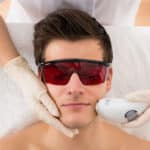
How Can I Improve Droopy Eyes at Home?
If you’re experiencing droopy eyes, don’t panic. You can get help for it at home with the right products. This article will explore what acquired ptosis is and how it’s diagnosed and treated. We’ll also discuss the product Upneeq as one of the best treatment options.
What Is Acquired Ptosis
Usually, there are eye muscles and nerves that hold your eyelids in position. Your eyelids will get loose and droop when these components get loose. The upper eyelids will always get weaker as you age and get older. However, it’s not guaranteed that the upper eyelid will drop when you age.
Acquired Ptosis Diagnosis and Treatment
The diagnosis of ptosis is based on a physical examination. Your doctor will examine your eye and eyelid carefully to confirm a drooping of your upper eyelid. They may also use artificial light to determine how much tissue has been lost in your eyelid and when it occurred.
Your treatment options depend on the cause of the droopy eyelid. Still, they may include surgery or nonsurgical procedures such as injections to relax muscles around the eyes and promote a more youthful look. If you are diagnosed with ptosis, you should see an eye doctor to discuss your options for treatment.
What is Upneeq
Upneeq is a treatment that lifts your eyelid, and comes in the form of eye drops. It is effective in treating droopy eyes, but it’s not covered by insurance. The product works by stimulating an involuntary eyelid muscle to contract. This lifts the tissue and helps it stay lifted throughout the day, resulting in a less droopy appearance.
How Do You Use Upneeq?
You need to administer one drop of Upneeq to each eye every day. The dosage is well proportioned, so don’t worry about not getting enough. You must not use more than one drop per eye within 24 hours. Those with contact lenses must wait for at least 15 minutes after administering the drops to insert contacts.
Is Upneeq Right For You?
Upneeq is one of the best medications for those struggling with droopy eyes. Thus, you can benefit from it if you have ptosis, and you won’t notice any adverse side effects. However, you should contact your doctor if you have underlying eye conditions, such as glaucoma, before using the product. Also, you should let your doctor know if you have high blood pressure.
Schedule a consultation
Contact us if you have droopy eyes and would like effective treatment. Dr. David Baird will ensure you get the best medication to improve your quality of life. You can visit our homepage for more info on our products and services.
If you’re experiencing droopy eyes, don’t panic. You can get help for it at home with the right products. This article will explore what acquired ptosis is and how it’s diagnosed and treated. We’ll also discuss the product Upneeq as one of the best treatment options. What Is Acquired Ptosis Usually, there are eye muscles
Back to School with Clear Skin: Tips for Treating Acne
It’s that time of year again! School is back in session, and you’re already talking about the new things we want to learn. Maybe your mind is also preoccupied with thoughts of how to keep that pesky acne under control. Here are some tips for treating acne naturally so you can focus on what matters: learning stuff!
What is Acne?
Acne is a common skin condition when hair follicles become clogged with oil and dead skin cells. The oil can be produced by the body or come from outside sources, such as dirt or cosmetics. The follicles are connected to the surface of the skin by a canal called a pore.
Acne usually develops during puberty because of increased sex hormones called androgens. It can affect males and females alike but tends to be more severe in males because they have higher levels of androgens.
Symptoms of Acne
Acne can affect people of all ages, but teenagers and young adults are most likely to get it. Here are some common symptoms of acne:
- Pimples, blackheads and whiteheads.
- Redness and swelling.
- Painful lumps under the skin.
- Blotchy red skin.
Acne Treatment
No one likes acne. It’s not only annoying, but it can also be embarrassing. Fortunately, many treatments are available to treat mild to severe acne. It’s best to visit a dermatologist to help tell whether you have mild, moderate or severe acne. The doctor will also explain what treatment is best for your acne.
Mild Acne
If your acne isn’t too bad, you may only need to use over-the-counter products. These include:
- Benzoyl peroxide. This helps kill the bacteria that cause spots and reduces inflammation. It has different strengths and is often combined with an antibiotic gel or lotion.
- Salicylic acid. This spot treatment works by drying out the skin, killing bacteria and helping prevent new spots from forming. You can buy it from pharmacies and supermarkets or get a prescription from your GP.
Moderate Acne
If your acne isn’t severe, your doctor may prescribe an antibiotic cream or gel. Some of these are available over-the-counter, and others require a prescription from your doctor. The best treatment for moderate acne is usually a combination of topical retinoids, benzoyl peroxide, and antibiotics. Your doctor may also prescribe an antibiotic or birth control pill.
Oral antibiotics can be used as an alternative or in addition to topical therapy in cases of moderate to severe acne that doesn’t respond well to other treatments.
Severe Acne
If you have severe acne, your dermatologist may prescribe oral and topical medications more effective than over-the-counter treatments.
Dermatologists also offer laser treatments, chemical peels and other types of treatment that aren’t available at general physicians’ offices.
Contact Us
Ultimately, you will have to tailor your treatment regimen to your skin needs. But the best place to start is with the products that are right for you. Hopefully, this article has given you some ideas on what they might be. Remember, while many acne treatments exist, not every product works the same on every person’s acne-prone skin. Take the tips above and try them out for yourself.
And if nothing works, contact us to book an appointment with Dr. David Baird today! We’ll do our best to help you get clear skin!
It’s that time of year again! School is back in session, and you’re already talking about the new things we want to learn. Maybe your mind is also preoccupied with thoughts of how to keep that pesky acne under control. Here are some tips for treating acne naturally so you can focus on what matters:

Why It’s Important to Protect Your Skin From The Sun
Almost everyone loves to spend time outside. It’s a great way to get exercise, reduce stress, and take in some vitamin D. However, it’s also important to practice proper safety when spending lots of time outdoors in the summer heat. Studies show that the majority of skin cancer is caused by overexposure to ultraviolet light by the sun. Ultraviolet rays are a type of radiation, and if you aren’t using sunscreen, the only protection you have from it is the earth’s atmosphere.
It’s even possible for the sun’s harmful UV rays to reach your skin during cooler times of the year, even on a cool, cloudy day. The radiation can even be intensified by bounding off reflective surfaces like snow, water, and sand. There are several ways to keep yourself protected while still enjoying life out in the Sun. Some of these are passive ways to stay protected, and some of them take actual effort and awareness. Here’s how to protect yourself from sun damage while spending time outside this summer.
Shade
Being aware of shade is a great way to stay cool and protect yourself from the sun’s rays. Shade is all around us, and you can even bring your own shade in the form of an umbrella during beach or park trips. Keeping yourself shaded is a great way to reduce exposure to the sun’s radiation – and to cool off so you don’t overheat.
Clothing
Paying attention to the clothing you wear is a great way to combat ultraviolet rays too. For example, wearing a skirt instead of shorts is a great way to provide your legs with protection while still remaining cool and comfortable. Dark colors are also a great way to give yourself an added layer of protection against the sun, but they can attract heat . If you want lighter clothing that will still provide protection, then look into specialized UV-protective clothing. Finally, wearing a hat will protect your face, back, and neck area from the Sun’s rays.
Sunglasses
Ultraviolet radiation doesn’t only pose a danger for your skin – it can also be detrimental to your eyes. Wearing sunglasses during a bright day isn’t just a way to increase comfort; it can also protect you. The most protective sunglasses are the kind that wrap around the temples of the head. They prevent light from coming in from the sides as well as from the front.
Sunscreen
A broad-spectrum sunscreen is probably the best way to protect yourself from the Sun. A good sunscreen will block both UVA and UVB rays. An SPF, or sun protection factor, of 30 or higher is recommended for extended exposure to the sun. Make sure to also apply it at least 30 minutes before going outside and reapply every two hours for best protection.
Schedule a Consultation
If you’re concerned about skin cancer or looking for ways to protect your skin, schedule an appointment with Dr. David Baird and our team. You can contact us by calling or filling out our online form.
Almost everyone loves to spend time outside. It’s a great way to get exercise, reduce stress, and take in some vitamin D. However, it’s also important to practice proper safety when spending lots of time outdoors in the summer heat. Studies show that the majority of skin cancer is caused by overexposure to ultraviolet light

Things to Know Before Pulsed Dye Laser Treatment
If you are considering pulsed dye laser treatment to improve the appearance of your skin, there are a few things you should know before making your decision. This type of laser treatment is one of the most popular cosmetic procedures available, and it can be very effective in treating a variety of skin conditions, including rosacea, facial redness, hypertrophic scars, port wine stains, and even nail psoriasis. It uses a laser that uses an organic dye mixed with a solvent.
However, the procedure has some risks, so it is important to weigh the pros and cons before moving forward. This blog post will discuss the basics of pulsed dye laser treatment and outline some of the potential risks and benefits involved. Here are things to know before pulsed dye laser treatment.
Treatment Should Not Damage Surrounding Tissue
One of the biggest concerns people have about this type of laser treatment is whether or not it will damage the surrounding skin. It is important to know that the pulses of light used in pulsed dye laser therapy are a very precise laser beam and can be tailored to specific areas of the skin. This means that the treatment should not cause any damage to the surrounding tissue.
Tanned Skin Blocks Laser Light
Because the yellow light can’t penetrate tanned skin, it’s recommended that patients avoid tanning or excess exposure to the sun before their pulsed dye laser treatment session. You’ll want to avoid the sun as much as possible for at least three weeks prior to your appointment.
Treatment Requires One to Four Pulsed Dye Laser Sessions
Most people require one to four pulsed dye laser light sessions to achieve the desired results on the treated skin, although it can depend on the laser parameters used. It is important to note that the number of sessions required may vary depending on the treated condition. The sessions are typically only a few minutes, but the multiple sessions should be spaced out evenly, about two weeks between each one.
Some Risks Are Involved
As with any medical treatment, there are some risks associated with pulsed dye laser therapy (PDL treatments). Some of the potential risks include:
- Scarring
- Pigmentation changes
- Infection
These risks should be weighed against the potential benefits of the treatment before deciding. If the risks involved are too high, you may consider other treatment options. Most risks occur when patients are not suitable candidates or do not follow their provider’s instructions following the treatment.
Pulsed dye laser treatment can also potentially harm the eyes, which is why we have patients wear eye protection.
The Results Are Not Instantaneous
Unlike some other cosmetic procedures, pulsed dye laser treatment results are not instantaneous at the treatment site. It may take several weeks or even months for the full effects of the treatment to be visible. After the procedure, the areas treated will likely be red and swollen. This is normal and should subside within a few days.
Pulsed Dye Laser Treatment Reduces Redness
One of the main benefits of pulsed dye laser treatment is that it can reduce the appearance of redness and cutaneous vascular lesions. The pulses of light work to constrict the abnormal blood vessels, which can help to improve the appearance of the skin. This implies that pulsed dye laser treatment is a good option for most patients with rosacea or spider veins. It is important to consult with a dermatologist to see if this treatment is right for you.
Swelling and Scabbing May Occur
After the pulsed dye laser treatment, you may experience swelling and scabbing. This happens because the laser causes a minor injury to the skin. This is normal and should go away within a few days. You can minimize the swelling and discomfort by using a cold compress on the treated area. If the swelling or scabbing persists for more than a week, you may want to contact your dermatologist.
Schedule a Consultation
If you consider pulsed dye laser treatment, schedule a consultation with Dr. David Baird to discuss your options. Dr. Baird is a board-certified dermatologist with extensive experience in this type of treatment. He will be able to assess your skin condition and recommend the best course of treatment for you. Contact our office today to schedule your consultation.
If you are considering pulsed dye laser treatment to improve the appearance of your skin, there are a few things you should know before making your decision. This type of laser treatment is one of the most popular cosmetic procedures available, and it can be very effective in treating a variety of skin conditions, including